
Rubber news

Rubber-tapping robots: are they here yet? 7 ways the world is trying to harvest latex
China, Malaysia, India, Côte d'Ivoire and Thailand are testing new ways to harvest latex: ground robots, fixed per-tree units, cable robots, puncture tapping, short-cut tapping with gas and low-frequency tapping with a hormone. RubNex compares research and company data to show what each method gains and loses.
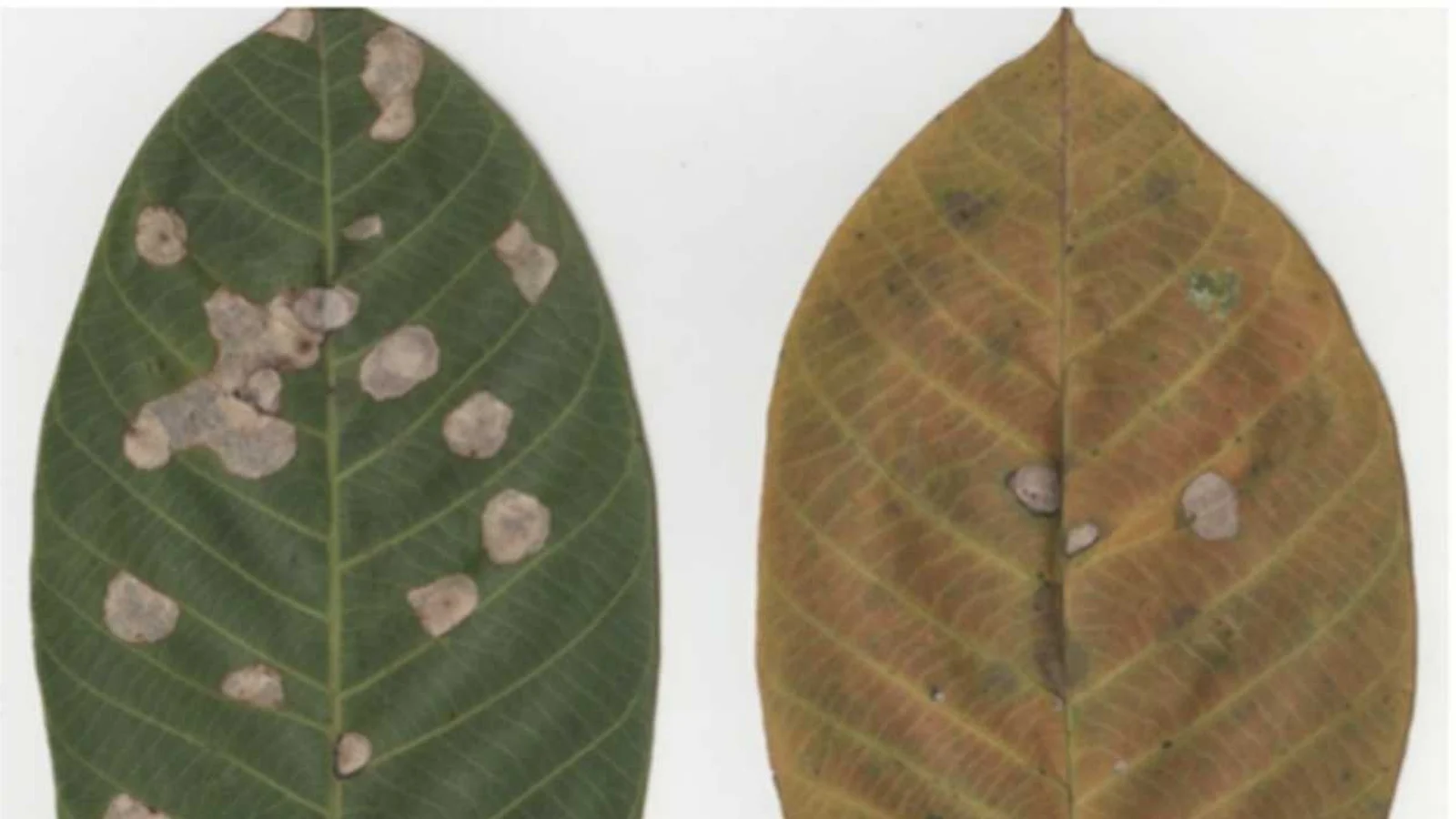
Rubber leaves keep falling: cut down or treat? What Thai growers must weigh
The new leaf fall disease, or circular leaf spot, has spread to more than 900,000 rai of Thai rubber. RubNex compares Thai and international research on the two options Thai agencies give growers: cut down and replant with a grant, or keep the trees and treat them.
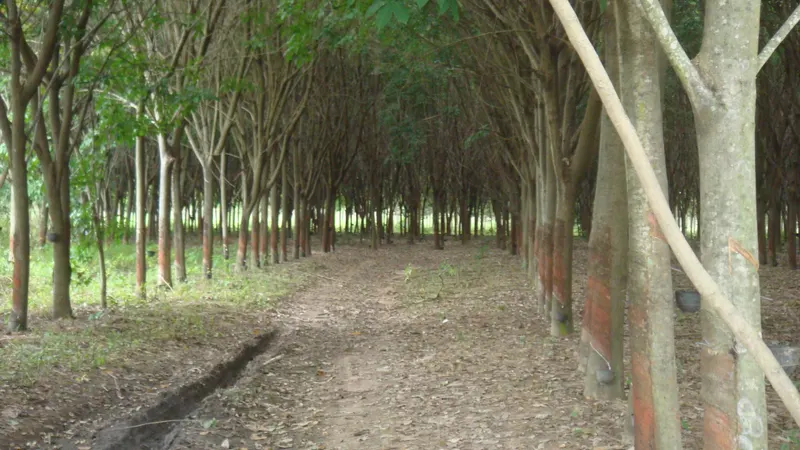
High rubber prices, but many plantations have no one to tap them: India launches a tapper platform, China speeds up tapping-machine trials
IRSG figures suggest about 4.5 million tonnes of potential rubber output sits in tappable but untapped trees, and India estimates about 100,000 hectares of untapped plantations. Hainan is field-testing a new tapping machine, while a farmer group in Yala, southern Thailand, says more than half of tappers have gone, though no official figures confirm it.
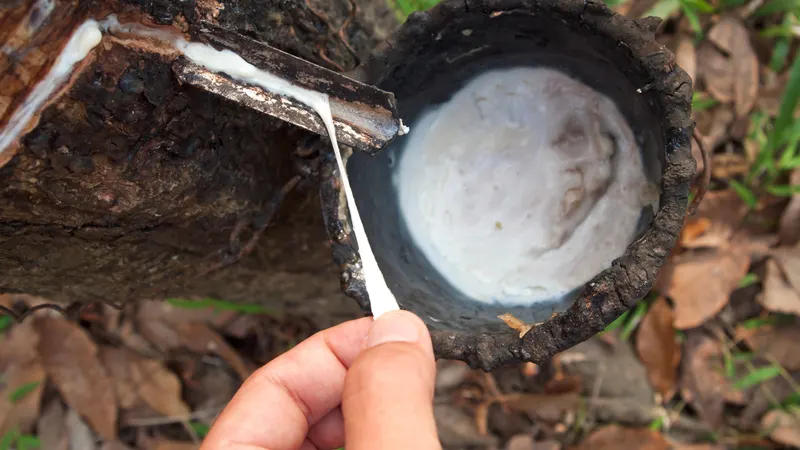
World rubber prices hit a 10-plus-year high. The cause is short supply, not more buying
RAOT closing prices show Thai field latex rising from 83 to 89.45 baht per kilogram in under two weeks, while ANRPC's latest forecast puts world output about 320,000 tonnes below demand this year. IRSG warns that prices at this level will bring idle plantations back into tapping.

78 days until the EUDR bites: in Songkhla, EUDR latex fetches less than 2 baht more than regular rubber on average
The European Commission still lists 30 December 2026 as the EUDR start date for large and medium operators, and Thailand is classed as low-risk. But RAOT has cut its target for EUDR rubber traded through its markets from 130,800 to 90,826.85 tonnes because real buyers were fewer than planned.